 Comparison
Standing Seam vs AG Panel: Which Metal Roof Fits?
Quick Summary
The core difference between standing seam vs AG panel is fastening: standing seam uses concealed clips and raised interlocking seams with no visible screws, while AG panel uses exposed screws through overlapping ridges. Standing seam suits homes where appearance matters most, while AG panel suits budget-conscious barns and utility buildings.
- Standing seam hides its fasteners beneath raised, interlocking seams for a clean, architectural look.
- AG panel uses exposed screws, with a sealing washer beneath each one to keep water out.
•AG panel installs faster and is often the budget choice for barns, workshops, and utility structures.
- Timeless Tin offers a 10-year workmanship warranty on standing seam and 5-year on AG panel.
Table of Contents
- Standing Seam vs AG Panel: The Core Differences
- Standing Seam Metal Roof Pros and Cons
- AG Panel Roofing Pros and Cons
- Standing Seam vs AG Panel Roofing Cost and Lifecycle Value
- Frequently Asked Questions
Standing Seam vs AG Panel: The Core Differences
Last Updated: November 10, 2026
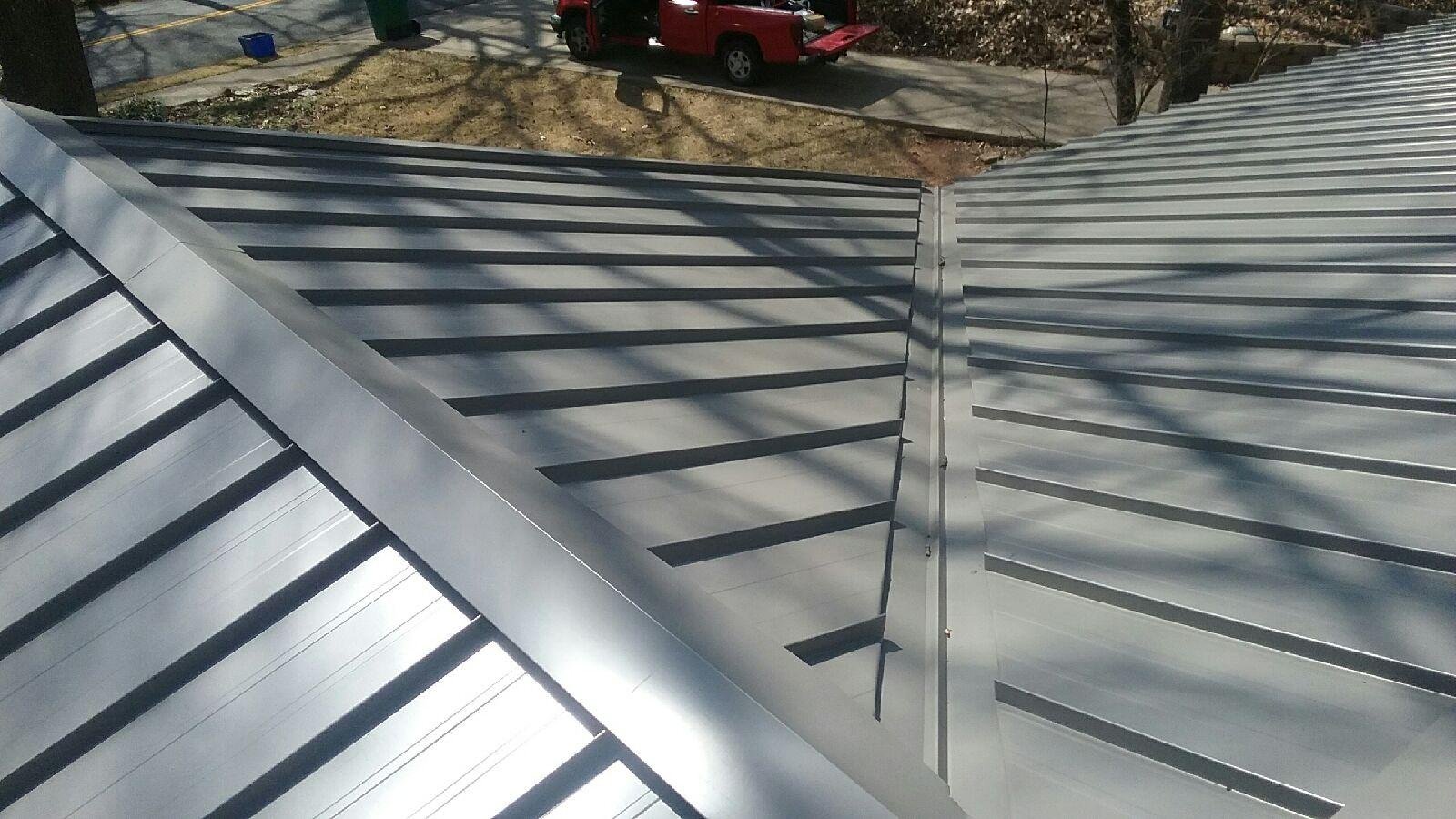
Standing seam and AG panel are the two metal roofing systems most homeowners compare, and the difference comes down to fastening. Standing seam uses concealed clips and raised, interlocking seams with no visible screws on the roof surface. AG panel uses exposed screws through overlapping ridges. Timeless Tin installs both, so the right choice depends on the building, budget, and use.
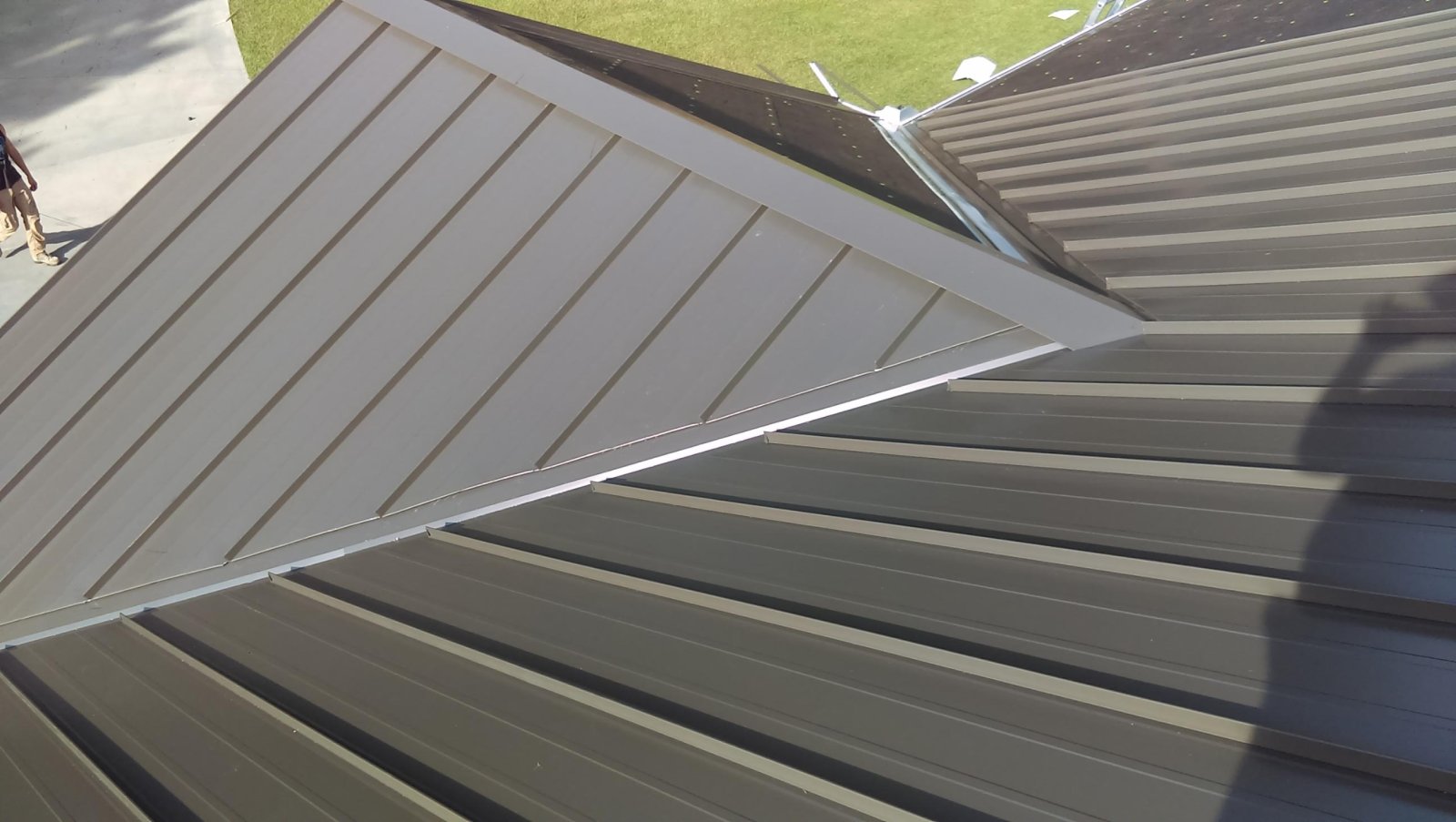
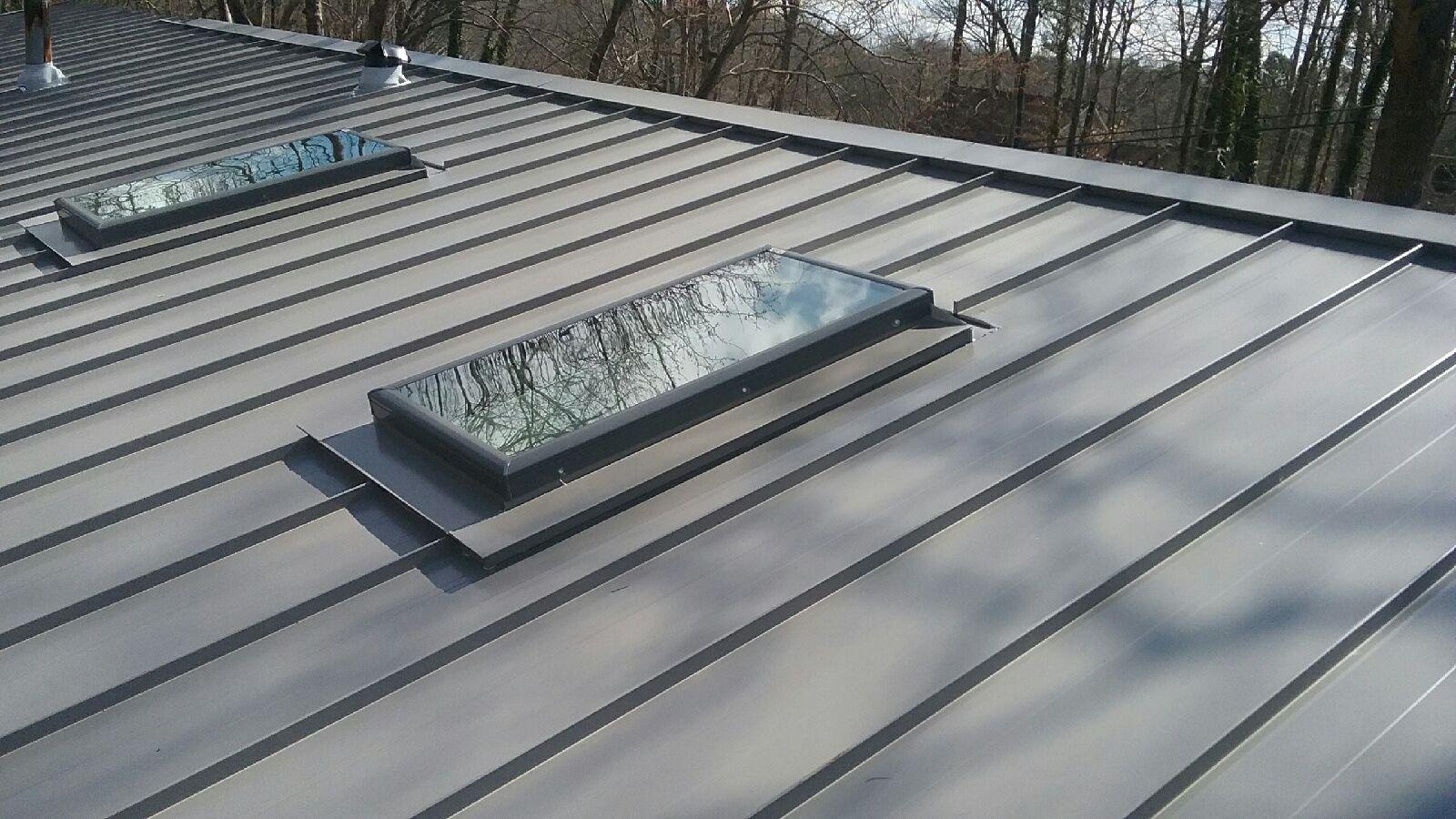
Standing seam is the concealed-fastener option. Its raised seams lock together, and the fasteners stay hidden beneath the panel, which gives it a clean, architectural look. To see how the corrosion and paint warranties on this system are written in Georgia, read how to read metal roofing corrosion warranties in Georgia. Homeowners weighing a Standing Seam Metal Roofing project often choose it when appearance is a priority.
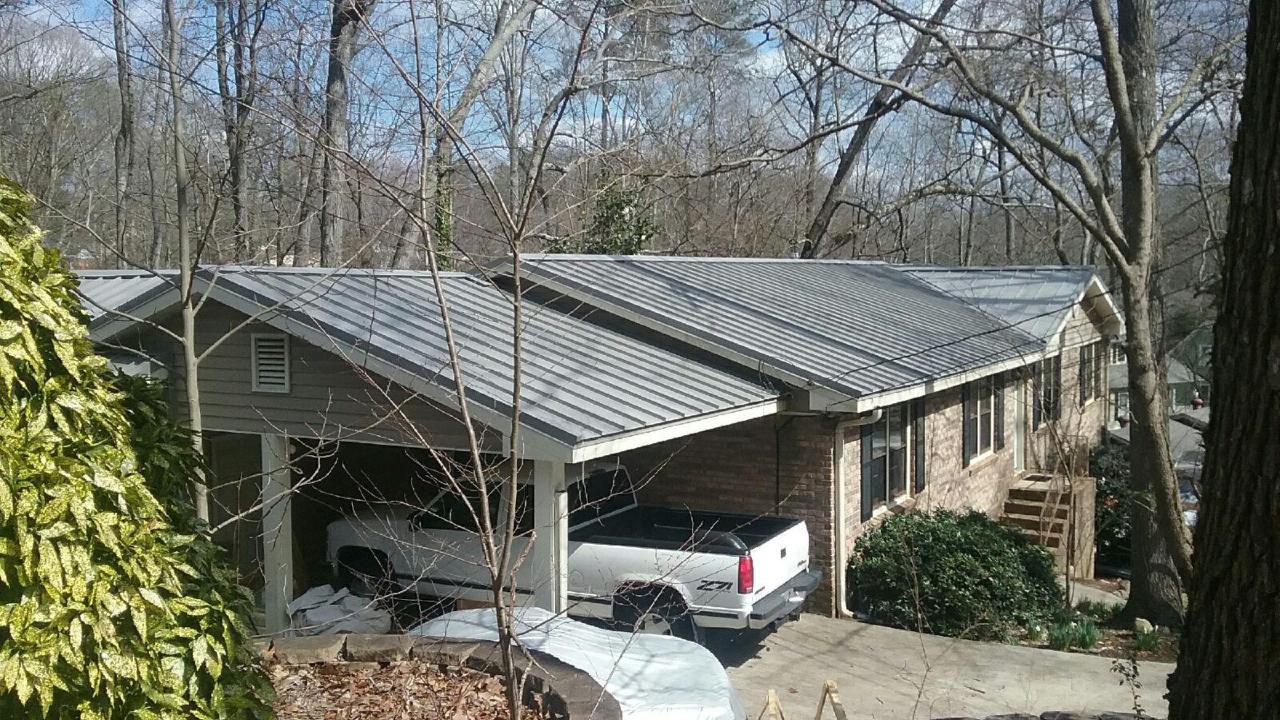
AG panel is the exposed-fastener option. It is a screw-down panel with visible fasteners and wide, overlapping ribs, a practical and economical choice for barns, workshops, and utility buildings.
The two systems differ mainly in how they are fastened and how they look once installed.
System | Fastening | Best for |
|---|---|---|
Standing seam | Concealed clips, raised interlocking seams | Homes and buildings where appearance matters most |
AG panel | Exposed screws through overlapping ridges | Barns, workshops, and utility buildings on a budget |
Standing Seam Metal Roof Pros and Cons
Standing seam suits homes and buildings where appearance and long-term performance matter most. Concealed clips let the metal expand and contract with temperature, reducing stress on fasteners.
Pros:
- No exposed screws on the roof surface
- Interlocking seams that shed water well
- Clean lines that suit modern and traditional homes alike
Cons:
- Higher upfront material and labor cost
- More complex installation
AG Panel Roofing Pros and Cons
AG panel is an exposed-fastener metal roof: the screws holding each sheet are visible on the panel face, with overlapping ribs shedding water away from the fastener line. That simple design explains both its strengths and its limitations.
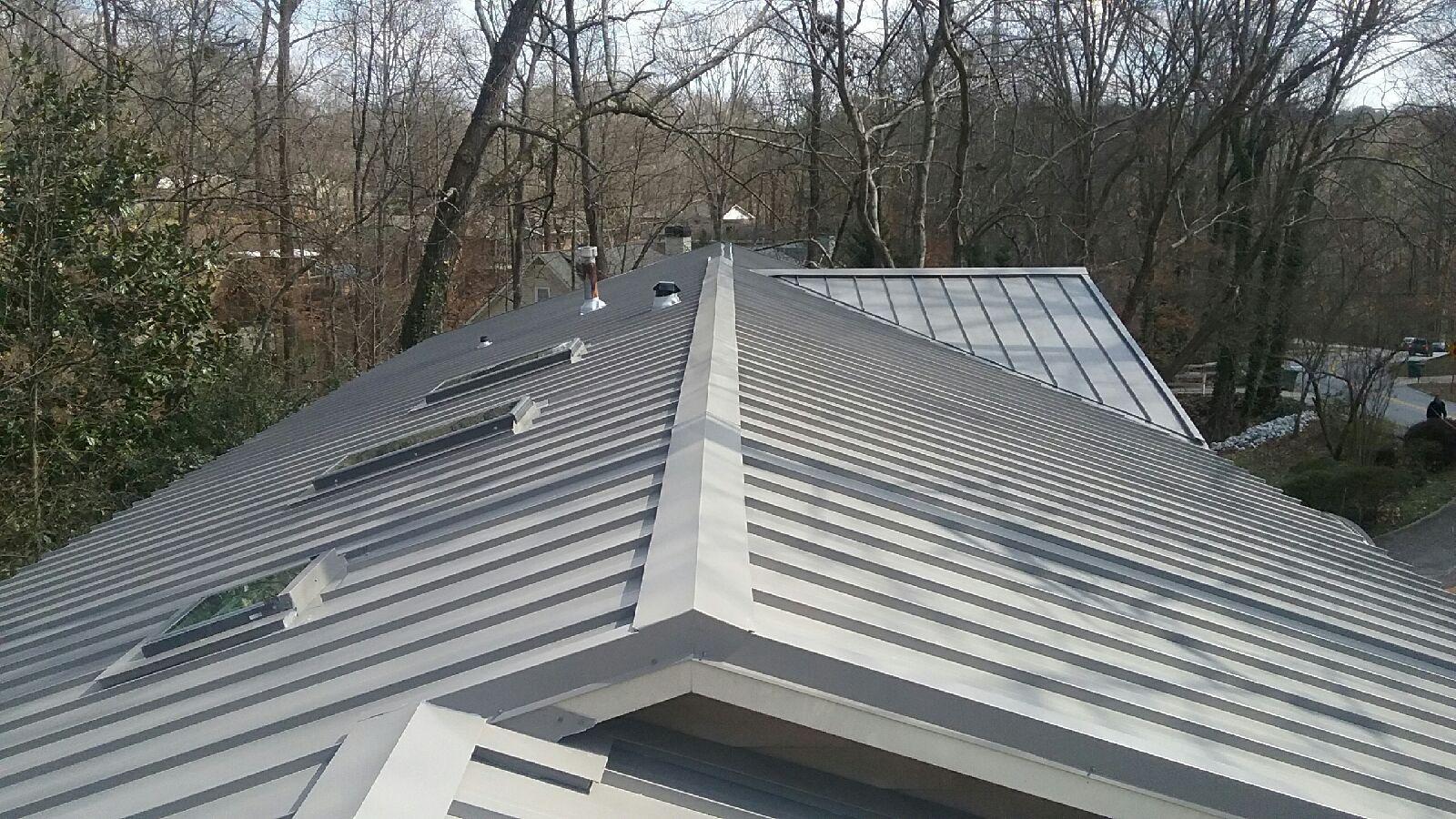
The advantages start with cost and speed. Because panels are screwed down directly, crews install AG panel faster than a concealed-clip system, which is why it is often the budget choice for barns, workshops, equipment sheds, and utility structures. It is also straightforward to install on simple gable or shed roofs, and for buildings where function outweighs appearance, its utilitarian look is an advantage.
The disadvantages come from the exposed fasteners. The sealing washer beneath each screw keeps water out of the penetration, but UV exposure and thermal cycling can degrade it, and a loose or failed fastener becomes a leak point. For practical steps to guard against rust on these panels, see how to prevent rust on metal roofing. AG panel roofs need periodic inspection and occasional re-tightening or fastener replacement, and the visible screw pattern looks less refined to some homeowners.
Wind and weather exposure matter. Because fasteners resist uplift, the fastening schedule, screw type, and purlin spacing are important in strong-storm regions. Requirements depend on your location and structure, so confirm the design against local code for your project. In heavy snow areas, the panel profile and supporting structure also need engineering to the load.
AG panel suits agricultural buildings, workshops, pole barns, and utility structures where cost and simple maintenance are priorities. It is a less natural fit for a primary residence where a clean, concealed roof plane is a major goal, or for complex roofs with many valleys and penetrations. For pole barns and lean-tos built on a budget, an AG Panel Metal Roofing system is frequently the practical match.
Before choosing AG panel, consider whether you will inspect the roof regularly. Buildings left unchecked for long stretches may be better served by concealed fasteners. If you are unsure which profile fits, contact Timeless Tin at https://timelesstin.com for a free estimate.
Standing Seam vs AG Panel Roofing Cost and Lifecycle Value
Upfront price is where most comparisons start, but it is rarely the number that matters most. Standing seam generally costs more installed than AG panel, and pricing depends on quantity, dates, and delivery. For current prices or a quote, visit https://timelesstin.com.
Installed cost moves with panel length, square footage, roof pitch, valleys, hips, penetrations, trim and flashing, and delivery distance. Steel gauge and coating also matter, and substrate condition can add stripping or deck repair costs regardless of system. Because these vary by building, we recommend a written estimate based on actual roof measurements.
A lifecycle comparison looks past installation. AG panel's exposed fasteners need periodic inspection, and sealing washers can deteriorate, so maintenance visits to check or replace fasteners are a recurring expense. Standing seam's concealed clips mean fewer exposed penetrations, though seams and clips still warrant periodic inspection.
Three questions help frame the decision. How long will you keep the building? Longer ownership makes standing seam's higher initial cost easier to justify. How much maintenance can you schedule? AG panel suits yearly inspections, while concealed fasteners suit less frequent checks. What is the building's use? Barns and sheds on modest budgets often land on AG panel, while residences valuing appearance often land on standing seam. For design ideas for these structures on Georgia properties, see residential pole barn design ideas for Georgia properties.
Timeless Tin offers a 10-year workmanship warranty on standing seam and a 5-year workmanship warranty on AG panel. Standing seam carries a 50-year limited paint warranty, and AG panel carries a 40-year limited product warranty on color options. Both systems carry a 25-year rust/corrosion-free warranty on applicable Galvalume products. All warranties are subject to applicable terms and conditions.
For a straight answer on which system fits your building and budget, contact Timeless Tin at https://timelesstin.com to request a free estimate. We will review measurements, maintenance expectations, and warranty terms with you.
Frequently Asked Questions
Which is better, AG Panel or standing seam roofing?
Neither wins for every project. Standing seam vs AG panel comes down to budget, roof complexity, and how long you plan to stay. Standing seam hides its fasteners under raised seams, so it handles water and wind well and suits complex roofs with valleys and dormers. AG panel uses exposed screws and overlapping panels and works well on simple, large roof planes like barns and shops. On a tight budget with a straightforward roof, AG panel is a sensible pick; for a long-term home, standing seam often makes more sense.
How do exposed fasteners and concealed fasteners differ in practice?
Concealed fasteners sit under the interlocking seam, so the screw never pierces the panel face where water runs. That lowers leak risk and keeps the roof looking clean. Exposed screws on an AG panel go straight through the panel into the deck or purlins, sealed with a washer. They work, but screws can back out or the washers can wear over time, so periodic checks matter. Leaks on metal roofs often start at flashing and trim, so installation detail matters for performance either way.
What should I compare when choosing between standing seam and AG Panel roofing?
Compare five things: upfront cost, expected lifespan, maintenance needs, roof complexity, and warranty terms. Standing seam and AG panel carry different warranty terms, so ask for a written quote and confirm what each warranty covers before you sign. Look at your roof pitch, how many valleys and dormers you have, and whether the building is a home or a barn. Ask for a written quote covering panels, trim, and labor, and confirm what the warranty actually covers before you sign.