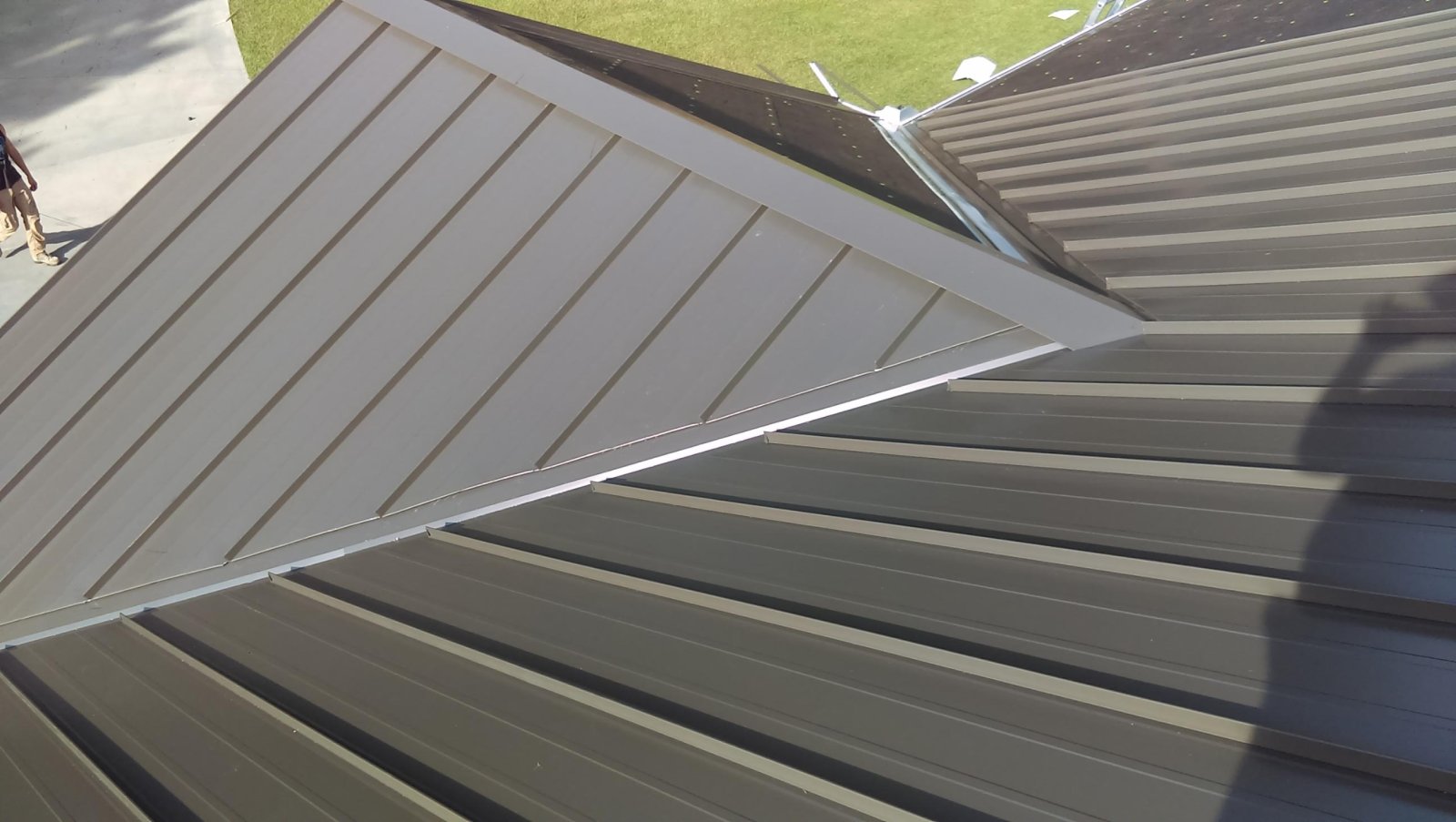
 How-to
Metal Roof Maintenance for Georgia Homes: A Practical Guide
Last Updated: November 19, 2026
Quick Summary
Metal roof maintenance in Georgia means checking the roof twice a year and after major storms, since humidity, pine pollen, and debris hold moisture against panels. Focus on panel surfaces, seams, flashing, and fasteners, and leave any hands-on repairs to a qualified professional.
- Inspect the roof from the ground twice a year, and after significant storms.
- Georgia's spring pine pollen holds moisture against the finish, so check seams after pollen season.
- Never climb a metal roof yourself, since panels are slick when damp.
- Keep dated photos and a maintenance log to support any warranty claim.
- Rust-through, lifted seams, and backed-out fasteners call for a professional assessment.
Table of Contents
- Why Georgia Humidity Makes Metal Roof Maintenance Matter
- Metal Roof Inspection Checklist for Georgia Homeowners
- Signs of Metal Roof Damage to Watch For
- Scheduling Your Next Metal Roof Inspection with Timeless Tin
- Frequently Asked Questions
Why Georgia Humidity Makes Metal Roof Maintenance Matter
Metal roof maintenance for Georgia homes starts with the weather. Georgia's warm, humid climate keeps roof surfaces damp for long stretches, and moisture drives corrosion. Even a roof that sheds water quickly needs periodic attention, because dirt, debris and trapped moisture can sit on panels and seams between rains.
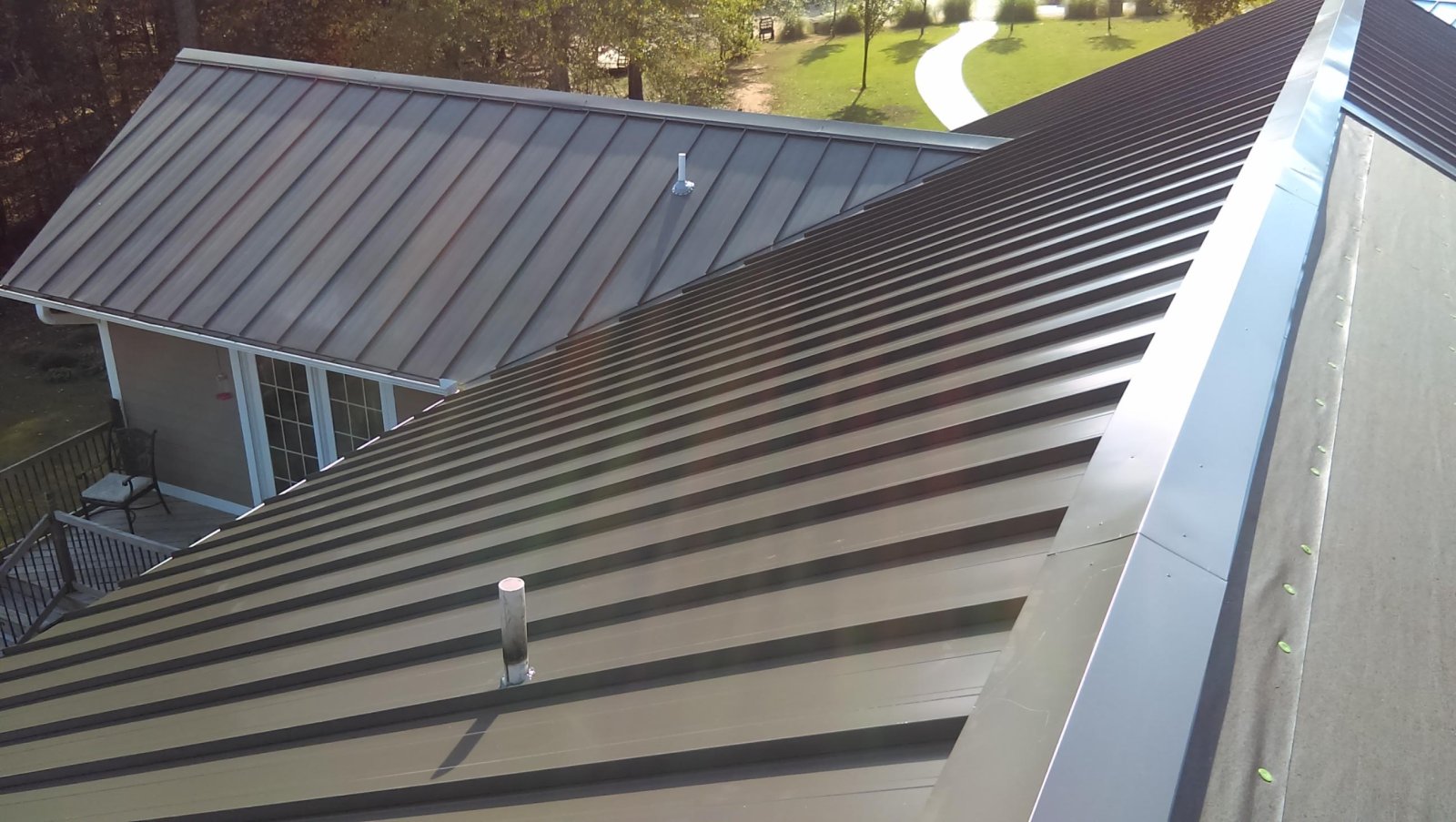
Most problems on metal roofs come from small issues that go unnoticed for a season or two. If you ever find a problem you would rather not tackle yourself, Standing Seam Metal Roofing and AG Panel Metal Roofing are the systems we install and service, so our team can assess what's going on with your specific roof.
The main areas to watch in humid conditions are:
- Panel surfaces: Dirt, pollen and organic debris hold moisture against the finish.
- Seams and laps: Moisture collects where panels overlap.
- Flashing and trim: Water often finds its way in at transitions, not mid-panel.
- Fasteners: Screws and clips can loosen or corrode over time.
Warranties also depend on upkeep. Corrosion and paint warranties carry terms and conditions, and keeping records of inspections and repairs can help if a claim comes up.
Metal Roof Inspection Checklist for Georgia Homeowners
A basic visual inspection is something most homeowners can do safely from the ground with binoculars or a phone camera with zoom. Never climb onto a metal roof yourself, panels are slick when damp. Any hands-on work should be left to a qualified professional.
Most metal roof problems announce themselves visually long before they become leaks. To judge what your roof is made of, see our guide on how to identify quality metal roofing, which covers reading panel gauge, coatings, and warranties. Work through the checklist below twice a year, and add a quick look after any significant storm.
What to check from the ground
- Panel surface. Note heavy staining, chalky residue, or finish that looks dull, scratched, or worn through. Chalking is normal aging; bare metal showing through is not.
- Seams and laps. On standing seam, look for lifted or separated seams and dark streaks running down from a seam. On AG Panel, check the overlap lines.
- Trim and flashing. Watch transitions, chimneys, sidewalls, valleys, ridge caps, and pipe boots. Water almost always finds its way in at a transition, not mid-panel.
- Fastener condition. On exposed-fastener roofs such as AG Panel, look for screws that appear raised, backed out, rusted, or missing washers and caps. Standing seam clips are concealed, which is one reason a professional inspection matters more on that system.
- Roof edge and debris. Leaves, limbs, and pollen drifts trap moisture against panels. Keep the roof edge and the area around penetrations clear.
- Interior signs. From the attic, look for water stains on decking, rust streaks on framing, or daylight at penetrations.
Take dated photos of anything that looks off. Those records can be useful for a warranty claim or a professional assessment.
A Georgia seasonal maintenance schedule
Generic advice says "inspect twice a year." In Georgia, timing matters more than the count.
- Late winter (February-March): Check for winter storm damage, loose fasteners, and debris. Confirm your warranty paperwork is filed and inspection records are current.
- Spring (April-May): Georgia's pine pollen coats roofs in a fine yellow film that holds moisture against the finish and clogs gaps at panel laps. A rinse and a look at seams after pollen season catches problems before summer heat bakes debris onto the surface.
- Early summer (June): Pre-hurricane-season check. Confirm flashing at valleys and penetrations is intact and fasteners are snug. Atlantic hurricane season runs June 1 through November 30, and inland Georgia still sees the remnants.
- Fall (October-November): Post-season inspection. Look for lifted panels, dented trim, and debris, and clear leaves before winter rains.
Skipping a post-pollen rinse can leave debris sitting on the panel, which may contribute to finish wear and staining.
What a homeowner should not do
Walking the roof, tightening or replacing fasteners, applying sealant at seams, and pulling panels to check the underlayment are all jobs for a professional. A fastener driven too deep can crush the washer, and the wrong sealant on a painted panel can affect warranty coverage. If your ground-level check turns up anything beyond cosmetic staining, the next step is a professional assessment, not a ladder.
Here is a quick reference for the seasonal inspection schedule Georgia homeowners can follow.
| Season | Focus | Why it matters |
|---|---|---|
| Late winter (Feb-Mar) | Winter storm damage, loose fasteners, debris | Catches storm wear early |
| Spring (Apr-May) | Pine pollen film, seams at panel laps | Pollen holds moisture against the finish |
| Early summer (June) | Flashing at valleys and penetrations, fastener tightness | Prepares for hurricane season |
| Fall (Oct-Nov) | Lifted panels, dented trim, leaves | Clears debris before winter rains |
Signs of Metal Roof Damage to Watch For
Rust-colored spots, white or chalky powder, water stains on ceilings or walls, loose or missing fasteners, and bent trim all point to a problem that needs a closer look. What matters is knowing which sign is cosmetic, which is a maintenance item, and which is structural.
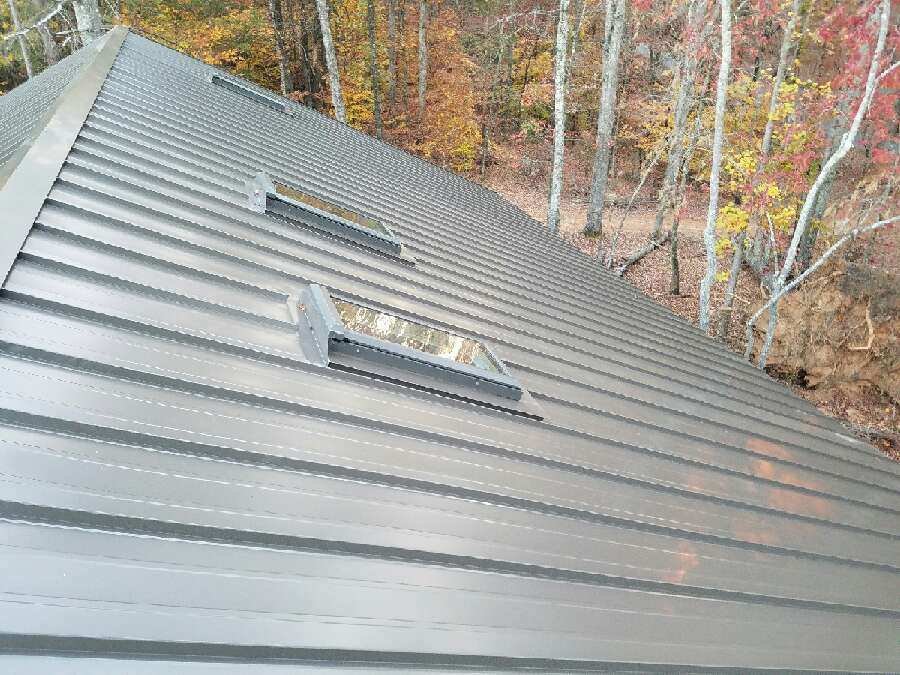
Cosmetic versus structural: what the sign actually means
Chalking and fading. A white, powdery film on a painted panel is the paint binder breaking down under UV. It is normal aging, cosmetic, and not the same as corrosion.
Surface rust versus rust-through. Surface rust is discoloration; rust-through is metal that has actually perforated.
Lifted seams and backed-out fasteners. These are the signs most likely to become leaks. On AG Panel, a fastener that has backed out or lost its washer lets water past the panel.
Dented or bent trim and panels. Hail and wind-driven debris cause this.
Interior water stains, musty attic smells, or dripping after rain. These often show up after water has already traveled along decking or framing.
The warranty angle most homeowners miss
Metal roofing warranties, including finish and corrosion coverage, are subject to terms and conditions, which may require the homeowner to keep the roof reasonably free of debris and to address damage in a timely way.
A simple maintenance log is worth keeping: the date of each inspection, what was found, photos, and any repairs made. It takes a few minutes a year and is the single best protection you have if a warranty claim ever comes up.
If your check turns up rust, lifted seams, or interior staining, the right next step is a professional assessment, not a repair attempt. For a deeper look at prevention, see our guide on how to prevent rust on metal roofing, and for the warranty side, our breakdown of how to read metal roofing corrosion warranties in Georgia explains what to look for.
Scheduling Your Next Metal Roof Inspection with Timeless Tin
If your checklist turned up anything unusual, or it has been a while since your last professional inspection, schedule an assessment. A trained eye can check fasteners, seams, and flashing in ways a ground-level look cannot, and can help you determine whether a problem is cosmetic or needs repair. If the inspection shows the roof has reached the end of its useful life, our Residential Metal Roofing services can help you explore replacement options.
Before you hire anyone, it helps to know how to compare options. Our guide on vetting metal roofing contractors walks through the questions worth asking and the estimate details to check.
Timeless Tin can discuss what you are seeing and provide a project estimate for metal roofs in Georgia. Contact Timeless Tin to request a free estimate and set up your next inspection.
Frequently Asked Questions
Do metal roofs need any maintenance?
Yes, although metal roofs generally need less upkeep than many other roofing materials. Georgia homeowners should check the roof a few times a year and after major storms. Look at seams, trim, flashing, and fasteners, and clear debris from valleys and gutters so water can drain properly. Warranties on Timeless Tin roofs are subject to applicable terms and conditions, and routine inspection helps keep those terms in good standing. A metal roof is not maintenance-free, so a periodic check is still worthwhile.
How often should a metal roof be inspected in Georgia?
A practical schedule is a visual inspection twice a year, typically in spring and fall, plus a check after any severe storm with high winds or hail. Georgia's heat and humidity can accelerate wear on sealants and finishes, so paying attention to seasonal changes is useful. A ground-level review is often enough for routine monitoring. If you see anything unusual, or you are not comfortable working at height, contact a licensed professional rather than climbing onto the roof yourself.
When should I call a professional for a metal roof inspection?
Call a professional if you notice active leaks, loose or missing fasteners, bent or lifted panels, damaged flashing, or staining on ceilings or walls. A professional can also evaluate whether requirements for repairs or permits apply, since these depend on your specific location and project. Roof work carries real fall risk, so we recommend leaving hands-on inspection and repair to experienced contractors. Timeless Tin is available to review your roof and provide a project estimate.